



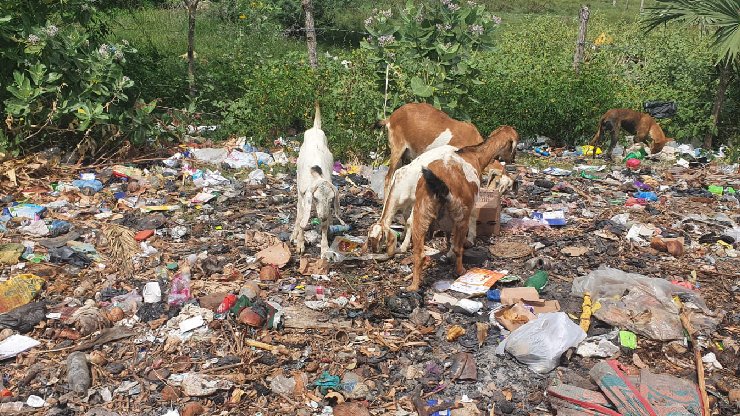
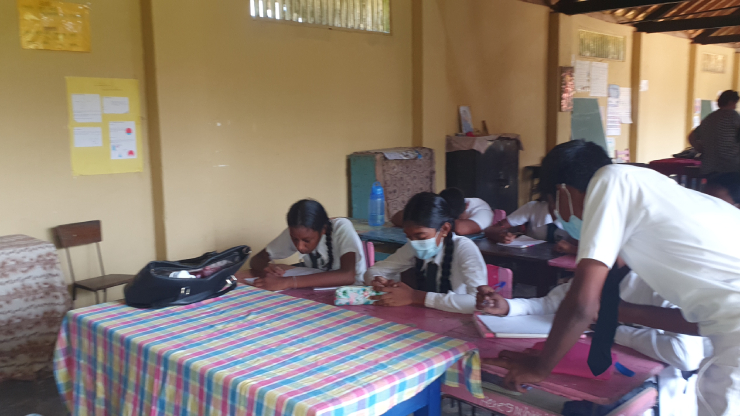
The REAL Water and Sanitation Crisis in Sri Lanka—a crisis that is tearing apart lives, and the most vulnerable are paying the highest price.
Sri Lanka is suffering. Families who once lived with dignity are now plunged into extreme poverty, unable to meet even their most basic needs. This isn’t just a story of hunger or financial hardship—it’s a story of desperation.
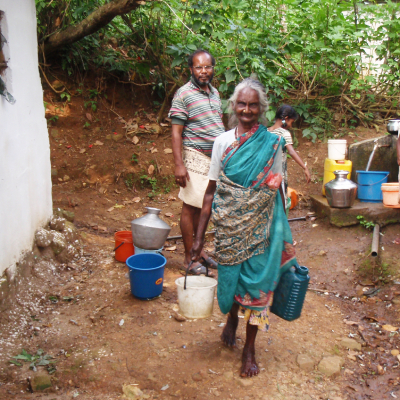
Water, the essence of life, has become a luxury, not a necessity.
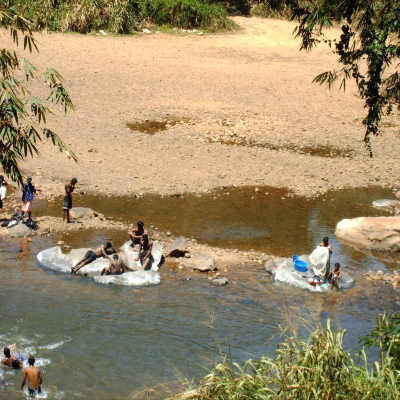
- Children are dying. They are falling ill to diarrhea, dysentery, and cholera because the water they drink is contaminated, filthy, and unfit for human consumption. They have no choice—they drink poison because there is nothing else.
- Mothers are helpless, watching their children suffer, powerless to save them because hospitals are overwhelmed, and they cannot afford treatment. They lie awake at night, praying their child will survive another day, knowing deep down that there may be no hope.
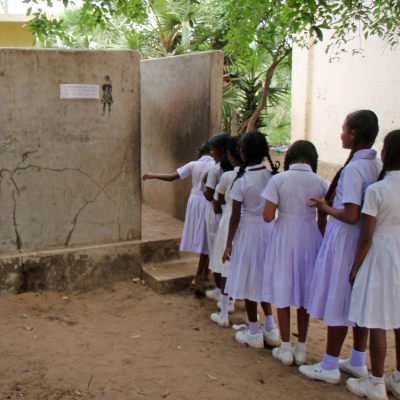
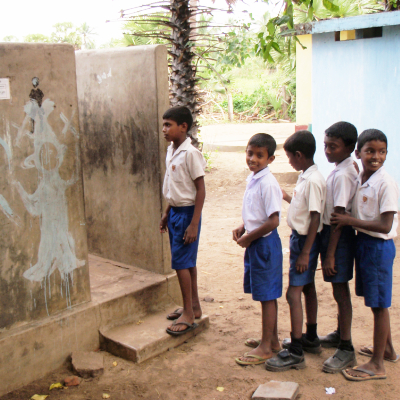
In schools, the situation is even more devastating:
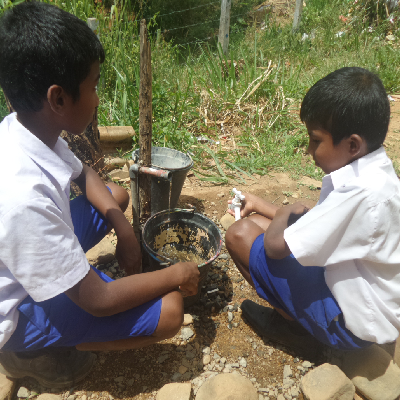
- No clean water, no safe toilets. For many children, going to the bathroom at school is a nightmare. The few toilets that exist are clogged, filthy, and abandoned. There is nowhere safe, nowhere clean.
- Girls, especially, suffer. They are forced to stand in urine-soaked floors, often with no shoes, no dignity, no choice. They are shamed, their spirits broken, simply because they need to use the bathroom.
- In some schools, children urinate on bare concrete floors, in makeshift "urinals." The stench of decay and neglect lingers in the air. This is their reality—day after day.
But the water crisis doesn’t stop there. It gets worse:
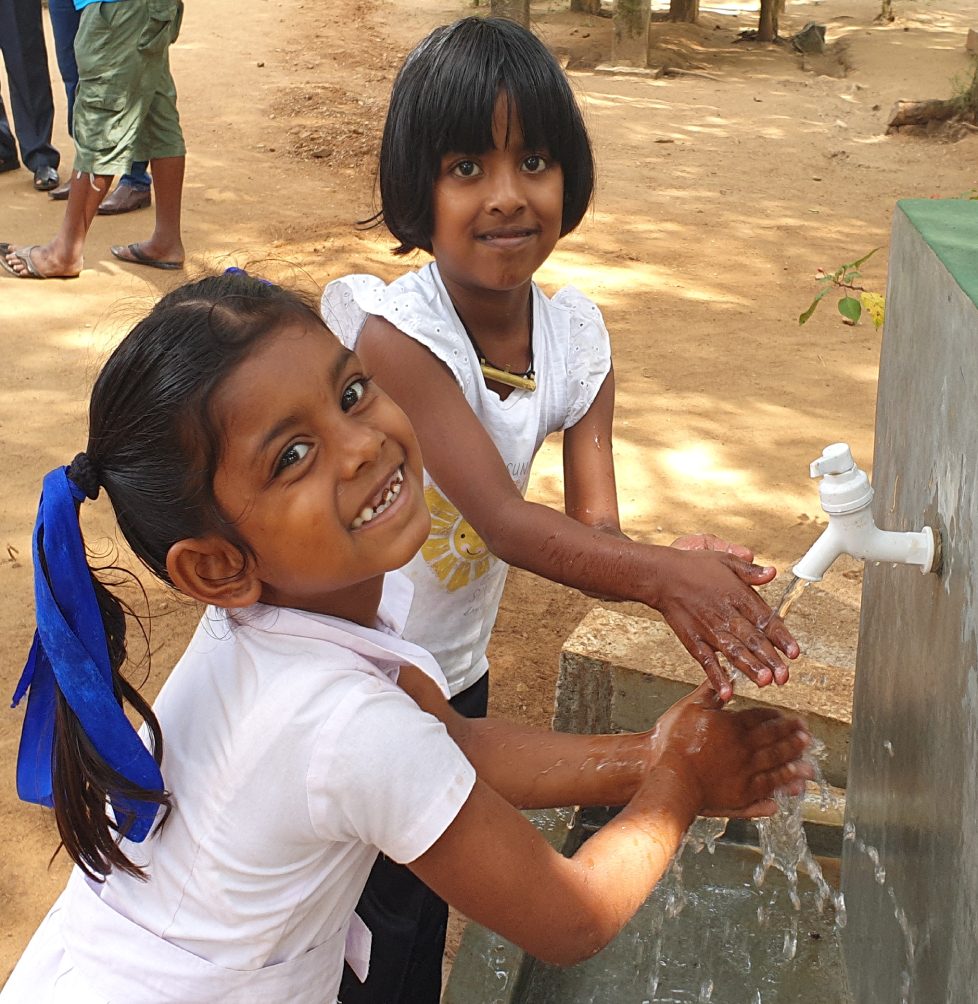
- In many schools, there is no water at all. Children go thirsty, their small bodies aching for the water they need to survive.
- Some schools receive water only once a week or during the rainy season. When the water runs dry, so do the children’s hopes.
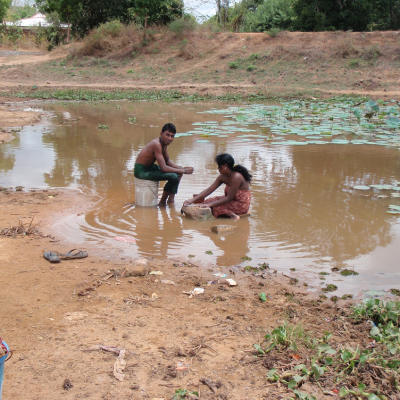
- When water is available, it’s often contaminated—polluted with bacteria, iron, and toxins from old, decaying pipes. These children are forced to drink poison from systems that were installed during colonial times.
In dry periods, the nightmare intensifies:
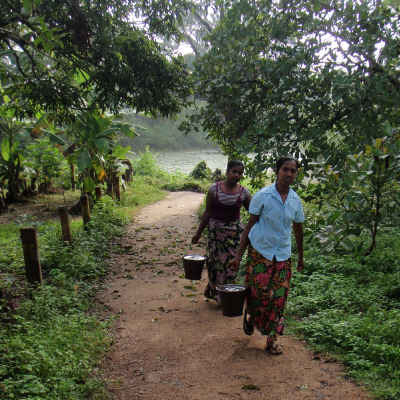
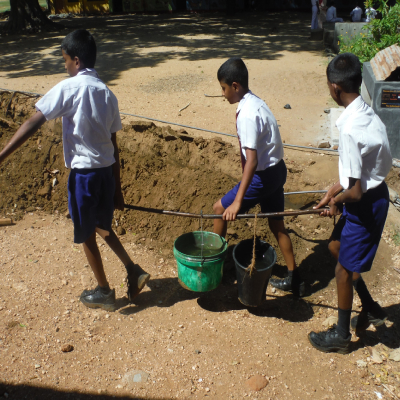
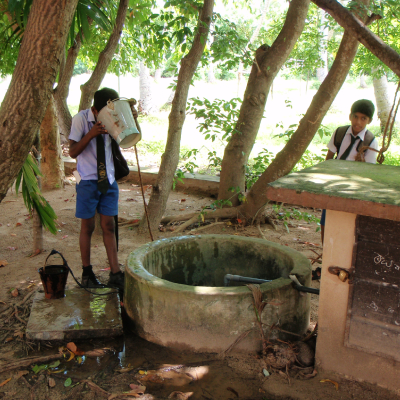
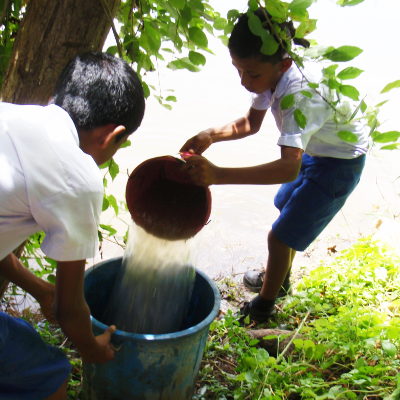
- Children are sent to fetch water from distant wells—wells that too often run dry. And when the well is empty, the toilets are left uncleaned, turning into foul, unusable spaces.
- Without water, there is no hope. The toilets break down, and the schools are left in a state of despair. No water means no future for these children.
This is not just a crisis of sanitation. It is a crisis of human dignity. It is the violation of the basic rights of every child who dreams of learning, thriving, and growing in a safe environment. These children are being denied not just water, but their dignity.